
Helpful tips for managing debtors
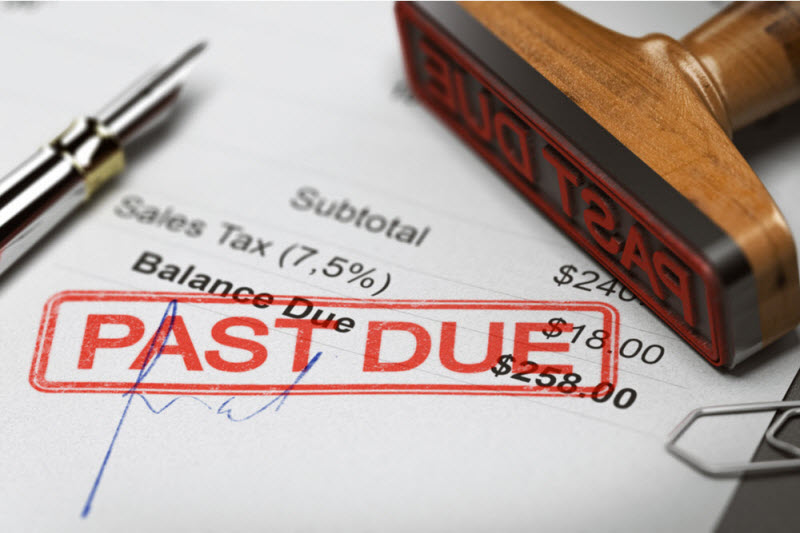
No business owner likes to chase unpaid invoices… it’s time consuming and stressful. Plus, it can create unnecessary tension between you and your clients if you have to constantly follow them up.
But having bills paid on time is an important part of managing your business cash flow. You need a regular influx of money to be able to pay your employees and suppliers… and if you have plans to grow your business, then you need the funds to invest.
That’s why it is essential that you have a robust process for managing debtors.
The aim is to have your customers pay on time, every time… so here are some useful tips to help get the money in your bank!
Payment terms
If you are running a small to medium business, 30-day invoices are almost unheard of these days, so reviewing your payment terms is a great place to start.
There are several options available to you and it will depend on your business and the industry in which you trade, but here are some structures you could consider:
“Effective debtor management doesn’t just improve cash flow — it strengthens your business’s financial resilience.”

- Payment in advance – you can request a deposit or partial payment before you commence work for your client. A 50% up-front payment for custom products is certainly a reasonable request. In fact, depending on the product or service you provide, you could even ask for full payment before delivery. This certainly mitigates any risk of delayed payment.
- Cash-on-delivery (COD) – as the name suggests, this payment option requires payment upon delivery of goods or services. This is another helpful option to minimise payment delays.
- Progressive payments – if the service you are providing carries on for some time, you could implement a payment schedule. Rather than the entire amount being due at once, your client could make regular payments over the course of the job. This can help your client manage their cash flow, too.
- Seven, 10 or 14 day payment terms – start by assessing which of these terms would best suit your business and determine which clients you could offer it to… if you already have some late payers, then giving them additional time might not be a wise decision.
You must note that if you provide goods and services to certain types of clients, you might be subject to their internal payment cycle. For example, local councils, hospitals or schools usually have to send your invoice to a purchasing department and that could result in a significant wait for the funds. You should always discuss this with your client from the start, so you both have the same expectations.
If you do decide to offer terms to your clients, it’s a good idea to encourage timely payments. Perhaps you could give a discount to early payers or consider charging interest or a late payment fee.

Efficient invoicing
Efficient invoicing is central to managing your debtors. It’s hard to get paid if you send your invoice to the wrong person or if it doesn’t have the correct information.
Start by making sure you have the right details for your client.
Whatever type of database you use, check that the name and email address are correct. If you need to send an invoice to a purchasing officer, rather than your direct contact, be sure to have those details on file, too.
Also, find out what information your client needs to make it straightforward for them to pay.
Do they have a quote or purchase order number? Do they have a specific product code or custom description? Anything that you can easily include on the invoice could save you time in the long run.
If you utilise an accounting system such as Xero, make sure you update your invoice template to look exactly how you need it and that you use the invoicing process within the software correctly. It makes everything more efficient when you need to reconcile your payments.

Automate reminders
Another useful feature in accounting software is automatic payment reminders. If you set up accounts receivable automation, you can include your payment term policy and the system will chase outstanding invoices based on the parameters you set.
You could implement automated emails that go out a specific number of times and at intervals that relate to the invoice due date.
A reminder two days before it is due and then regular overdue notices could help encourage prompt payment.
You might also want to set up an internal notification that alerts you to any overdue invoices. This way you can keep track of problematic payers or identify clients who might be having trouble finalising an invoice.
“Clear terms, consistent follow-up and structured processes reduce the stress of unpaid invoices.”

Make it easy to pay you
The easier it is to pay you, the quicker you’ll receive payment.
If you can, try to offer a variety of payment methods… cash, card, direct deposit, BPay, PayPal, Afterpay (or similar), payment plans or maybe even an old-school cheque.
Make sure your invoice clearly outlines accepted methods of payment and use technology to make the process quick and secure.
A link to an online payment portal from the invoice will undoubtedly help.
Having options gives your clients the freedom to choose their preferred payment method and means they are more likely to regularly pay

Talk to your customers
Finally, keep an eye out for warning signs that a client could be facing financial difficulties.
If you have a customer who is regularly late or doesn’t pay at all, pick up the phone and give them a call.
Talk to them about the situation and try to find a solution… work with them to determine the best arrangement that suits you both.
It’s wise to stop supplying them until they have resolved the payments and, if possible, refrain from engaging a debt collector or other action unless it is the last resort.
We know that managing debtors can be challenging, but you should make it a priority if you want your business to succeed. If you have any questions about your business accounting, please contact our team… we are always here to help

About the author
Marius Fourie - Director & Business Advisor
As Director and Business Advisor, Marius uses his accounting expertise and empathetic skills to work directly with business owners and help them feel at ease with their finances.
Marius saw a common need in clients that just wasn’t being met by accounting providers.
That need was for clear, open communication and streamlined accounting services that didn’t come padded out with any unnecessary features.
Business owners just don’t have time to compare different accounting firms to see which one has the best packages with the best inclusions (many of which they would pay for but never use).
Key Takeaways

Clear Payment Terms Set Expectations
Outlining payment terms upfront helps customers understand when and how payments are due, reducing confusion and delays.
Timely Invoicing Matters
Issuing invoices promptly after delivery of goods or services increases the likelihood of on-time payment.
Regular Follow-Up Reduces Overdues
Consistent reminders and follow-ups help keep outstanding accounts top of mind for customers and prevent debts from ageing.
Driven by our values

Effortless and Seamless
On-Boarding Process

Intuitive and Knowledgeable
Direct Expert
Access

Useful and Articulate
Financial
Reporting

Forward
Thinking
Compliance Solutions

Streamlined
Tech
Integrated and Automated
Frequently Asked Questions
What does ‘managing debtors’ mean?
Managing debtors means overseeing and collecting amounts owed by customers — ensuring invoices are paid on time and reducing the risk of overdue or bad debts.
Why is debtor management important for a business?
Strong debtor management helps maintain healthy cash flow, avoids funds being tied up, and ensures you have the money needed to pay expenses and invest in growth.
What are common strategies for managing debtors?
Common strategies include setting clear payment terms, sending timely invoices, regular follow-ups, offering multiple payment options and using credit checks for new clients.
How can I encourage customers to pay on time?
Encourage on-time payments with clear terms, early payment discounts, automated reminders, and friendly communication about overdue balances.
When should I consider professional help for debtor management?
If overdue accounts are increasing, internal resources are stretched, or cash flow is under pressure, professional assistance can improve collections and reduce risk.
How do I stop overdue invoices from becoming a regular issue?
You need a consistent debtor process — not a “deal with it later” approach. Strong systems help you stay in control and reduce late payments.
North Advisory’s Reviews  On
On 
Flo Mitchell
4 weeks ago
Changed to this company in 2019 from former accountant and love their approach of organizing everything for me face to face with Xero set up plus being able to call as much as I need for set annual fee. They also picked up on something that was not done correctly by my former accountant and saved me $4k for this.
Timothy Cummins
A month ago
They the truly the best, Martin and Judy are so experienced, knowledgeable & professonal, also quite like speaking with Rose : ) all people are so lovely!
Michael Iera
2 months ago
Positive, Responsiveness, Quality, Professionalism, Value
Michael Iera
2 months ago
Excellent company in regards to service and professionalism. Very experienced in dealing with complex matters. Highly recommended.
Reach out we are here to help
Recognising the uniqueness of each business, we specialise in customised accounting services crafted to meet your specific needs and drive business growth.
Don’t hesitate to contact us if you’re ready to streamline your financial management with tailored solutions. Your business’s success is our primary focus. Fill in the contact form or call us to book an initial 30-minute chat.


Suite 6, 11 Oaks Avenue
Dee Why, Northern Beaches
NSW 2099
Australia